
 Previous
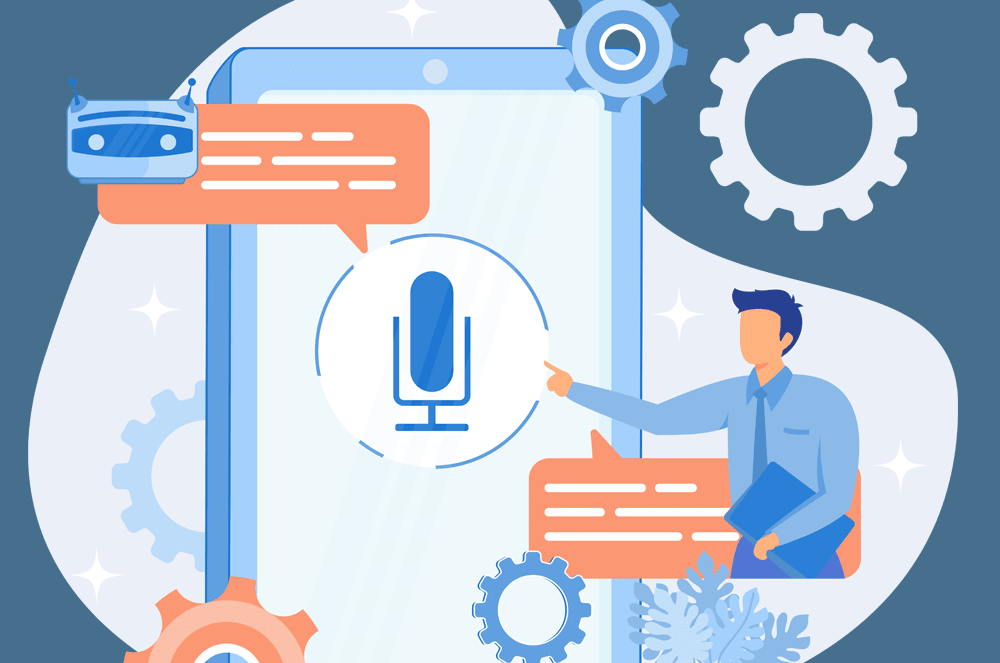
Although the use of artificial intelligence can have many benefits, experts say one area where its impact may not be as positive is in how it influences the development of future leaders around the globe.
Research shows more organizations have begun to replace entry-level job roles with AI tools, using the technology to replace many of the tasks typically assigned to young workers like writing basic computer code, compiling reports, summarizing survey data, and more. Leadership experts say the trend could result in denying early-career workers opportunities that are critical to learning a business from the ground up and developing foundational leadership skills that they can refine over time.
A 2025 report from global consulting firm Korn Ferry found more than four in 10 companies plan to replace certain job roles with AI, with a focus on entry-level, operations, and back-office positions. Experts say that as AI takes over the work of entry-level staff, companies miss chances to begin cultivating managers who could otherwise build interpersonal agility by working with others, practicing navigating human complexity, and making decisions with limited or imperfect data.
Sarah Maris, senior manager of technical learning content for e-learning provider Udacity, says the traditional work of entry-level jobs is an essential training ground to learn the nuances of an industry and gain invaluable experience. “But if we offload that work to an algorithm, we have to ask ourselves: How are the next generation of leaders supposed to develop the judgment required to oversee systems and people?” Maris says.
What can organizations do to counter the trend? Maris says one step would be to redesign entry-level job roles to focus on judgment-first tasks that intentionally develop the expertise no AI tool can replicate. Other leadership experts say companies can do things like allow AI to take over some repetitive or low-complexity tasks within entry-level roles but not entire jobs, and invest in structured mentoring programs for emerging leaders.

Share this article


Dave Zielinski is a freelance writer in Minneapolis, Minnesota, and a frequent contributor to the Toastmaster magazine.
 Previous Article
Related Articles

Leadership Skills